Neuro-Based Strength Training in Colorado Springs
Train the system that runs the show. Kris uses Z-Health–based drills and strength and conditioning to help your nervous system let you get stronger, move better, and hurt less.
Why train the nervous system?
Muscles do not decide how hard to contract. Your brain does. It constantly predicts whether a movement is safe, based on three main streams of information:
- Vision: where you are in space and where you are going
- Balance (vestibular system): your inner-ear sense of orientation and acceleration
- Joint position sense (proprioception): signals from joints, muscles and skin about what your body is doing
When those signals are clear, your brain can let you produce more force with less guarding. When they are fuzzy, after an injury, a desk job, or years of compensation, it applies the brakes. That can show up as weakness, stiffness, poor coordination, or pain.
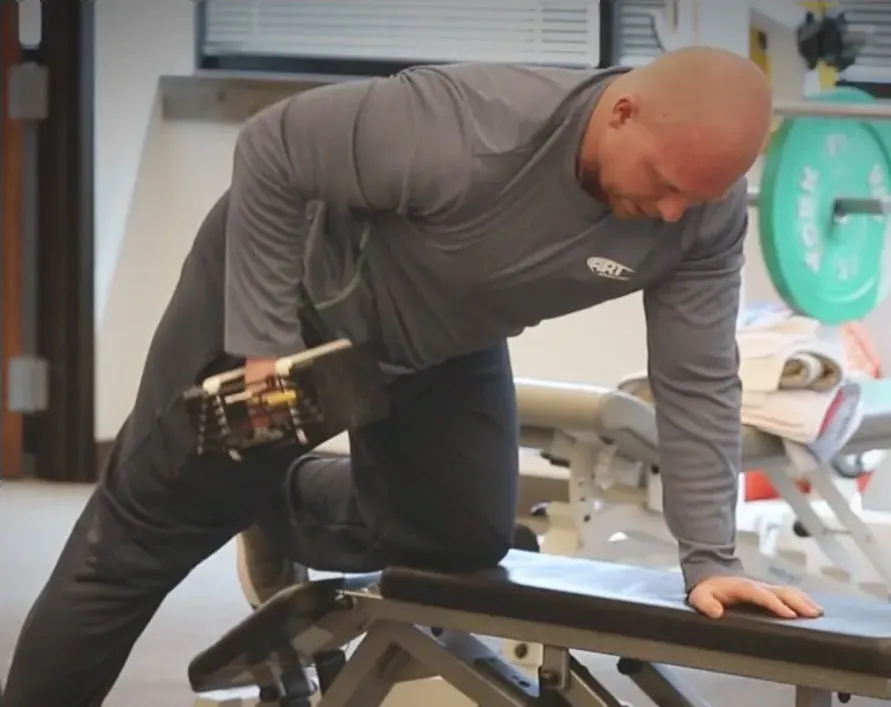
What a neuro-based session looks like
You will still lift. The difference is what happens before and between the sets.
Assess and re-test
Kris checks a movement, like a squat, a reach, or a single-leg balance, then uses a short drill and re-tests right away. If it improved, you keep it. If not, you move on. No guesswork.
Targeted drills
Joint mobility, eye and balance drills, and precise movement work to clean up the signals your brain uses to judge safety.
Strength on top
Progressive strength training builds on that foundation, so the gains carry over into lifting, sport and daily life.
What you can expect to work on
- Strength and power
- Coordination and balance
- Flexibility and mobility
- Moving with less pain and less guarding
- Confidence in movements you have been avoiding
Kris is a Z-Health Movement Re-education, Essentials of Elite Performance, and Movement Integration Specialist, with a Bachelor’s in Exercise Science from UCCS.
Kris’s credentials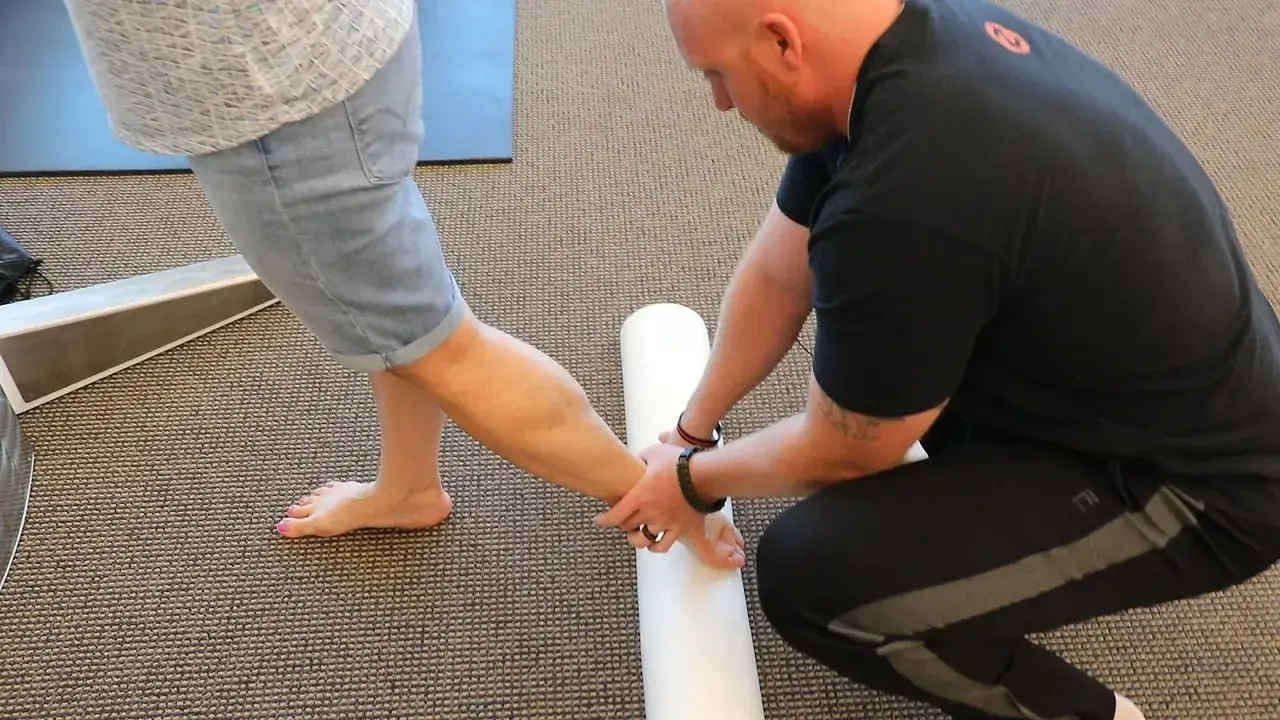
Neuro training FAQ
What is a neuro-based approach to strength training?
Your nervous system controls every rep you do. It decides how much force your muscles produce, how well your joints are stabilized, and when to create tension or pain as a protective signal. A neuro-based approach trains the brain and nervous system along with your muscles, using drills for balance, vision, coordination and joint control alongside traditional strength work. The goal is to help your body feel safe enough to get stronger.
Can strength training help me move with less pain?
Many people with nagging joint pain, back pain, or old injuries find that the right kind of strength training helps them move more comfortably. Kris looks at how your nervous system responds to each movement and adjusts the training so you build strength without aggravating things. This is coaching, not medical treatment, and results vary from person to person. If you have a diagnosed condition, check with your healthcare provider before you start.
Is this physical therapy or medical treatment?
No. Kris is a strength and conditioning coach, not a medical provider. Neuro-based training is exercise and movement coaching. It can work well alongside care from your doctor, physical therapist or chiropractor, but it does not replace it.
Feel the difference in your first session
Schedule an appointment with Coach Kris by phone or email. Tell him where you are, where you want to be, and what has been holding you back.